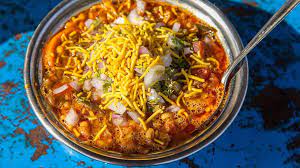
In the bustling city of Pune, where modern skyscrapers meet ancient temples, lives Manisha, a software engineer who recently moved from her small hometown in Kolhapur. Like many others who have migrated to urban areas for better opportunities, Manisha often finds herself longing for the comforting tastes of her childhood, the tantalizing flavors of authentic Maharashtrian street food.
This longing isn't just about food; it's about emotion, nostalgia, and a connection to her roots. It's the spicy tang of misal pav that transports her to Sunday mornings at her grandmother's, the crisp bite of kothimbir vadi that reminds her of festive gatherings, and the sweet aroma of puran poli that brings back memories of family celebrations.
But Manisha's predicament is not unique. Across India, countless individuals relocate for work or education, leaving behind not just their families and friends, but also a part of their cultural identity. The absence of familiar tastes can create a significant emotional void, leading to feelings of homesickness and disconnection.
Enter Maharashtrian street food—a bridge between the past and present, a taste of home in the heart of the city. This isn't just about satisfying hunger; it's about fulfilling an emotional need, a deep-seated craving for the flavors that define one's cultural heritage.
Maharashtrian street food is more than just a meal; it's an experience. It's the chatter of vendors, the sizzle of ingredients on a hot tawa, the vibrant colors of chutneys, and the heady mix of spices that fill the air. For someone like Manisha, it offers a moment of pure joy, a sensory journey back to the comforting embrace of home.
Take the story of Rajesh, another Pune resident, who found solace in a local food festival celebrating Maharashtrian cuisine. Feeling isolated in a city that was not his own, Rajesh stumbled upon a stall serving piping hot vada pav. The first bite was enough to transport him back to the bustling streets of Mumbai, where he grew up. The familiar taste rekindled memories and sparked conversations with fellow attendees, turning strangers into friends. It was here that Rajesh realized the power of food to connect people, bridging cultural gaps and creating a sense of belonging.
Moreover, Maharashtrian street food offers a practical solution for busy urban dwellers. For individuals like Manisha and Rajesh, who juggle hectic work schedules, the convenience of street food is unmatched. It's quick, affordable, and accessible, providing a delicious meal without the time-consuming effort of cooking.
In cities where life often moves at a breakneck pace, Maharashtrian street food offers a moment of pause, a chance to savor and reflect. It's a reminder of simpler times, a taste of tradition in a modern world.
As traditional recipes are passed down through generations, Maharashtrian street food continues to evolve, embracing new influences while staying true to its roots. This dynamic balance of tradition and innovation makes it an integral part of India's culinary landscape.
For those far from home, Maharashtrian street food is more than just sustenance; it's a lifeline to their heritage, a connection to their past, and a celebration of their culture. It's a testament to the enduring power of food to bring people together, to heal and to comfort.
So, the next time you see a humble misal pav stall on the corner of a bustling street, remember Manisha, Rajesh, and countless others who find solace in these flavors. Embrace the opportunity to taste, connect, and celebrate the rich tapestry of Maharashtrian cuisine. After all, in every bite lies a story, a memory, and a promise of home.
Visit Vyaparify Site: https://id.vyaparify.com/vrindavan_misal
Location: https://maps.app.goo.gl/zSHCuZRAkNBgLCcD7

 Go To Homepage


Comments (0)