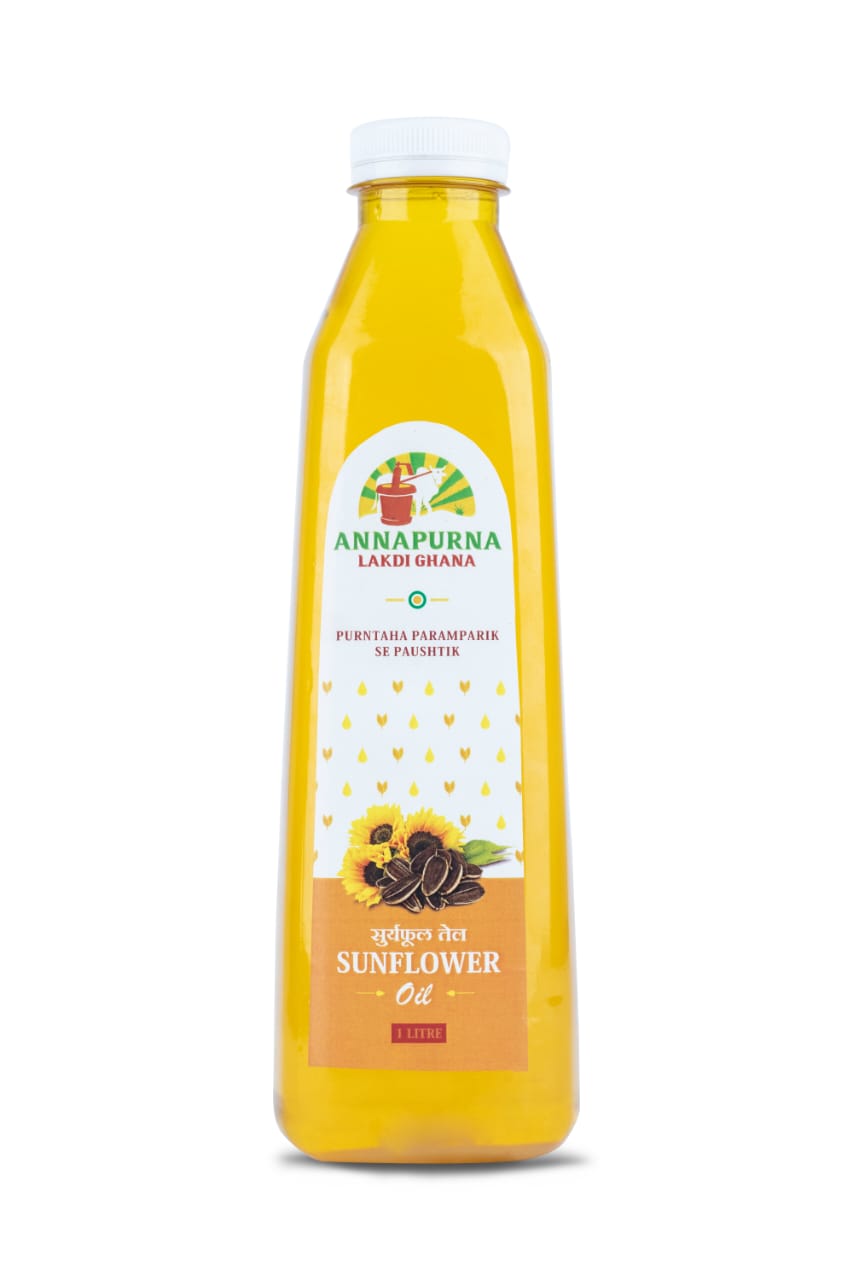
In the bustling city of Jaipur, amidst the cacophony of rickshaws and the vibrant color of sarees, lives Meera, a 35-year-old homemaker and part-time yoga instructor. Meera is the cornerstone of her family, balancing the art of maintaining cultural traditions while embracing modern health practices. Her story is a testament to the profound impact of mustard oil on Indian households.
Growing up, Meera was accustomed to the rich aroma of mustard oil wafting through her familial home. Her mother, Sushila, used it in everything—from cooking delectable meals to concocting Ayurvedic remedies. However, as Meera grew older and health trends evolved, she found herself caught in a dilemma between her cultural roots and the ever-changing landscape of health advice.
The distinct problem Meera faced was reconciling her family's traditional culinary practices with contemporary health concerns. The world today often critiques traditional cooking oils, pushing for alternatives touted as healthier or more modern. Meera, like many others, was overwhelmed by the noise of health gurus and food fads, leaving her anxious about whether she was making the right choices for her family.
Enter mustard oil—a golden elixir that bridges the gap between age-old traditions and modern health consciousness. This oil is not only deeply ingrained in Indian culture but also boasts numerous health benefits that align with modern dietary needs.
As Meera delved deeper into understanding mustard oil, she discovered its rich nutritional profile. It is high in monounsaturated and polyunsaturated fats, which are known for promoting heart health. Additionally, mustard oil contains omega-3 and omega-6 fatty acids, vital components that many modern diets lack. This revelation was a turning point for Meera, reassuring her that her mother's traditional choice was, in fact, a healthy one.
To illustrate the transformative power of mustard oil, let's explore the case of Dr. Ramesh Gupta, a renowned nutritionist from Delhi. Dr. Gupta conducted a study highlighting the benefits of traditional cooking oils in managing cholesterol levels. His research showed that families who continued to use mustard oil had better heart health outcomes compared to those who switched to more processed alternatives. This case study was pivotal for Meera, reaffirming her belief in mustard oil as the cornerstone of her family's health.
Armed with this knowledge, Meera embraced mustard oil with renewed confidence, using it not only for cooking but also as a remedy for minor ailments. Whether it was massaging her daughter, Aanya, to relieve a cough or using it as a natural moisturizer for her husband's dry skin, mustard oil proved its versatility time and again.
Through Meera's journey, we see how mustard oil serves as a link between the past and the present, offering a harmonious blend of tradition and modernity. Its role extends beyond the kitchen, nurturing the body and soul with its multifaceted benefits.
For those like Meera, who find themselves at a crossroads between cultural heritage and contemporary health advice, mustard oil emerges as a beacon of hope. It assures us that embracing tradition does not mean compromising on health, but rather, it enriches our lives with wisdom passed down through generations.
In conclusion, mustard oil is more than just a cooking ingredient; it is a symbol of resilience and adaptability. It empowers homemakers like Meera to honor their roots while confidently navigating the complexities of modern health. Through its golden hue, mustard oil paints a picture of unity—uniting the old with the new, the emotional with the practical, and tradition with innovation.
So, next time you're in the kitchen, remember Meera's story and consider the humble mustard oil. It's not just an oil; it's a saga of cultural legacy and contemporary wellness, waiting to transform your home.
Visit Vyaparify Site:
https://id.vyaparify.com/maza_gaonLocation:
https://maps.app.goo.gl/YELSpaWs86i77KYa9