
 Facebook
 Instagram
 Twitter
 Linkedin
In the heart of India, rituals hold a profound place in the lives of its people. They are not mere traditions but acts of devotion and faith that bridge the realm between earthly existence and the divine. One such sacred ritual is the Pind Daan Poojan, a ceremony steeped in ancient Vedic traditions, helping families find closure and peace after the loss of a loved one.
Meet Priya Patel, a 32-year-old software engineer from Pune. Like many, Priya was deeply connected to her family, especially her grandmother, who had been a guiding light throughout her life. When her grandmother passed away, Priya was engulfed in a wave of grief, a feeling compounded by guilt and the fear that her beloved ancestor's soul might not be at peace. Despite her busy life and modern outlook, she felt an overwhelming need to perform rites that would ensure her grandmother's liberation from the cycle of rebirth.
Priya's story is not unique. In fact, it resonates with countless individuals across India and the globe who seek solace through spiritual means after losing a loved one. This is where the Pind Daan Poojan comes into play. It is a sacred ritual performed to offer peace to the departed souls and is believed to help them attain moksha, or liberation.
The major problem faced by Priya, and many like her, is the emotional turmoil that follows the death of a loved one. The sense of loss, combined with cultural and spiritual beliefs, often leaves them seeking a way to honor their ancestors and ensure their souls find peace in the afterlife. The Pind Daan Poojan provides a structured, culturally significant means to address this emotional need, offering comfort and closure.
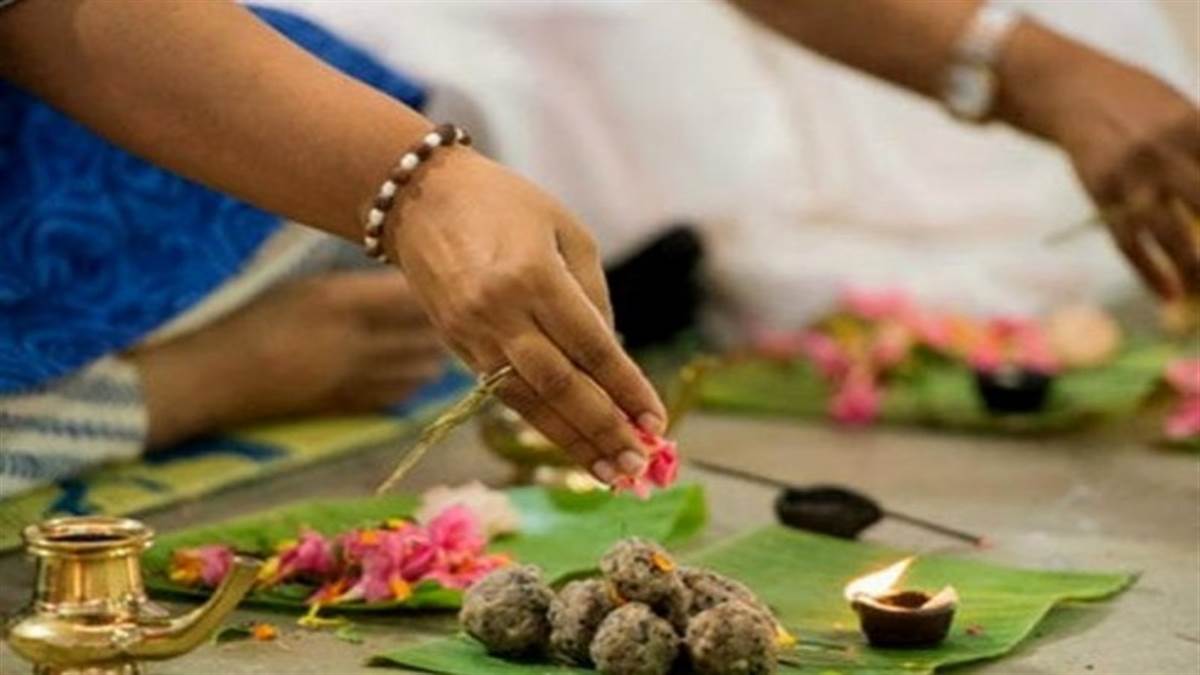
During the ceremony, Priya, under the guidance of a knowledgeable priest, performed the rites with sincerity and devotion. The rituals included offering rice balls, known as pindas, along with prayers and mantras, to invoke peace for her grandmother's soul. As the rituals progressed, she felt a sense of relief washing over her. The act of performing the Pind Daan Poojan not only honored her grandmother's memory but also allowed Priya to express her love and respect in a deeply spiritual way.
Case studies show that individuals who participate in the Pind Daan Poojan often experience a renewed sense of peace and emotional balance. For instance, Rajesh Verma, a businessman from Delhi, shared his experience of performing the ritual for his late father. He stated, "I was plagued by the thought that my father was not at peace. This ceremony allowed me to connect with him spiritually and assured me of his well-being in the afterlife."
These personal stories highlight how Pind Daan Poojan acts as a healing process, helping individuals move beyond grief and guilt. It not only honors the departed but also provides the living with a path to emotional healing, reinforcing the belief that they have fulfilled their duties towards their ancestors.
For those who are navigating the painful journey of loss, the Pind Daan Poojan offers a culturally resonant solution. It addresses the emotional problem of unresolved grief by providing a tangible way to express love and respect for the departed. This ritual bridges the gap between the past and the present, allowing individuals to find peace and continue their lives with the comforting knowledge that they have honored their loved ones in a meaningful way.
In essence, the Pind Daan Poojan is not just a ritual; it is a journey towards healing and peace. It serves as a reminder that while death may separate us physically from our loved ones, the bonds of love and respect transcend time and space. Through this sacred ceremony, families find closure, ensuring their ancestors' souls rest in peace, and in turn, find peace themselves.
In a world where the ancient and the modern often collide, the Pind Daan Poojan stands as a testament to the enduring power of tradition and faith. It is a beacon of hope for those seeking solace, offering a path to honor loved ones and find peace amidst the storm of grief.
Visit Vyaparify Site: https://id.vyaparify.com/panditravi-sharma
Location: https://maps.app.goo.gl/cdQtoEdwnLnp6yPL9

Contact Us
Mahakal Vanijya Kendra, Mahakal Vanijya, Ujjain, Madhya Pradesh 456010


 Select Date

